Tech PR / Industry guide
PR for Tech Companies: How to Get Tech Coverage
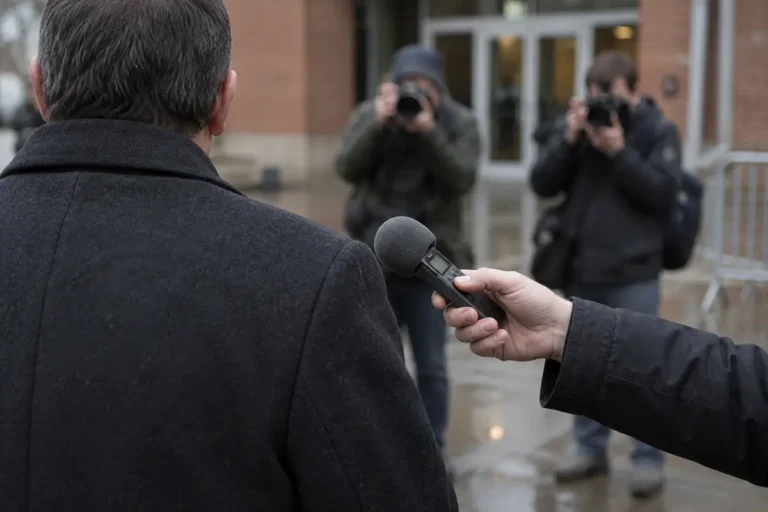
Tech PR gets a tech company covered by the publications its buyers and investors read. You can pitch reporters, or arrange a guaranteed feature in a named outlet.
A tech PR agency gets coverage in two ways: it pitches your news to reporters, who decide whether to run it, or it arranges a guaranteed feature with a named publication, with the terms in writing before you pay.[20][18]
It should tell you which one you are buying. Reporters cover news such as funding and launches. Opinion runs as a bylined article under each title’s own rules. Guaranteed online features usually go live within one to two weeks of your approval.[1][6][19]
Definition
What tech PR is, and what a tech PR agency does
Tech PR is the work of getting a technology company, its products and its people covered by the publications its buyers, investors, partners and future hires read.
A tech PR agency reaches that result in two ways. It pitches your story to reporters, who decide whether to run it. Or it arranges a guaranteed feature, where the publication agrees in advance to publish the article and the terms are written down before you pay.[20] Viral Spike Marketing offers both and scopes them separately.[16]
Tech PR agencies come in every size. Whether you are comparing large tech PR companies or a boutique tech PR agency, the test of the best tech PR agency is what it will put in writing.
This guide covers the mechanics that are specific to technology. If you are deciding whether a young company is ready for press, start with PR agency for startups: when to hire and what to expect. Viral Spike Marketing is based in New Jersey and works with clients across the United States by email and shared documents.[18]
Coverage
The kinds of tech coverage, and two things that are not press
Each kind of coverage asks for different material. Two products often sold beside press run on rules of their own.
- 01Pitched to reporters
Funding and launch news
A reporter writes that something happened. TechCrunch’s guide ranks fundings first and product launches second among the stories that get its attention.[1]
- 02Pitched to reviewers
Product reviews
A reviewer tests the product. The Verge states that its editorial team writes no paid-for reviews, and that companies may loan products for evaluation.[2]
- 03Pitched or guaranteed
Founder profile
An interview or a profile of the person behind the company. In a guaranteed placement the format is named in your scope.[17]
- 04Pitched or guaranteed
Bylined article
A technical or opinion piece under your own name, judged against the title’s contributor rules.
- 05Pitched to reporters
Expert commentary
A quote from your engineer or executive inside a story about something else.
Sold separately, and not press
- 06Separate product
Analyst reports
Research that an analyst firm publishes under its own process. It is a separate product, and it is not press.
- 07Separate product
Awards and lists
Entered under each program’s own rules and calendar. A win is the judges’ decision.
By sector
How the news changes for B2B, consumer, health, HR and fintech
The same announcement lands differently depending on who reads the coverage and what they do next.
b2b
B2B tech
Readers: engineers, IT and security leaders
A B2B tech PR agency writes for a buying committee. Readers want to know how it works and who already runs it, so named customers and technical depth carry the story.
Outlet pages: InfoWorld, Network World, CSO, CIO and Computerworld
consumer
Consumer tech
Readers: people about to buy
A consumer tech PR agency works toward reviews. Readers want the price, the date and a verdict from someone who used it.
Outlet pages: Digital Trends, PCWorld, Macworld, Android Police and How-To Geek
health
Health tech
Readers: clinicians, patients and regulators
A health tech PR agency has the narrowest path, because every benefit in the pitch is a health claim. Evidence comes before adjectives. See the rules below.
hr
HR tech
Readers: people leaders and employers
An HR tech PR agency reaches people who buy for a whole workforce. Data from your own platform about hiring or pay is the strongest asset, if the method is published.
Outlet pages: Fast Company and The Business Journals
fintech
Fintech
Readers: users, investors and bank partners
A fintech PR agency writes for people who trust you with money. A PR agency for fintech should check claims about insured deposits and funding before it drafts a sentence.
Outlet pages: TheStreet, Benzinga, Investing.com, Global Banking & Finance Review and CoinDesk
Interactive
The news test: is what you have news?
A reporter weighs your pitch against everything else that happened that day.[1] Fill in the three blanks to see how an editor is likely to read it, what they will ask for and how to sequence the announcement.
Your pitch, in one line
We haveWe areWe want to reach
Or try one
The editor’s read
Funding round, early
News with a hook
A small early round is hard to get covered alone.[1] Name the lead investor and add one proof point. An exclusive can help.
Funding round, growing
News
A larger round with named investors and customer numbers is the classic tech story. Brief reporters under embargo.
Funding round, established
News
Financing at a public company is market news. Material information must reach the public broadly, so counsel sets the timing.[10]
Product launch, early
News with a hook
A first product from an unknown company needs proof: a working demo, first users or a problem readers already feel.
Product launch, growing
News
A launch with customers already using it, a price and a date is news for trade and product titles.
Product launch, established
News
Launches from established companies get covered. Reviewers need loan units or early access under embargo.[2]
Customer win, early
News
A first customer that readers recognize is strong news, if the customer agrees to be named and quoted.
Customer win, growing
News with a hook
One more customer is rarely news. A named customer with a measured result makes a good trade feature.
Customer win, established
News with a hook
Routine wins are trade stories at most. A material contract is a disclosure question for counsel first.[10]
Data or research, early
News
Original data works at any size. Publish the method and the sample, and say what the numbers do not show.
Data or research, growing
News
Data from your own product gives reporters something to cite. Tie it to a question the sector is already asking.
Data or research, established
News
A yearly report becomes a fixture when it appears on the same date each year with the same method.
Executive hire, early
A story, not news
A hire at a young company is rarely news alone. Fold it into a funding or launch story.
Executive hire, growing
News with a hook
News for trade press when the person is known in the sector or the role signals a new direction.
Executive hire, established
News
Senior appointments at established companies are reported by trade and business press. Clear the timing with counsel.
Opinion, early
A story, not news
An opinion is not news. It runs as a bylined article, judged on the argument and your own experience.
Opinion, growing
A story, not news
Pitch it as a contributed article, one title at a time. Editors turn down marketing copy.[6][5]
Opinion, established
News with a hook
A recognized executive’s view can run as expert commentary when it answers the news of the week.
Funding round
Coverage that fits
Funding news, then a founder profile
Editors ask for
- The amount, the round and the lead investor
- What the money will build
- One number that shows traction
The runway
- BeforeClear the wording with investors and counsel
- Day zeroOne exclusive, or an embargo with a set time
- Same weekYour own post and release, after the lift
- AfterA founder profile
Product launch
Coverage that fits
Launch news and product reviews
Editors ask for
- What is new, in one sentence
- Price, date and a demo or loan unit
- A user who will talk
The runway
- BeforeReview access under embargo
- Day zeroAnnounce at the lift time
- Same weekDemos and interviews
- AfterUpdates for reviewers still testing
Customer win
Coverage that fits
A trade feature or case study
Editors ask for
- The customer’s written permission
- The problem, the result and how it was measured
- A named spokesperson at the customer
The runway
- BeforeSign-off from the customer’s communications team
- Day zeroOffer the story to one trade title
- Same weekPublish the case study yourself
- AfterReuse the result in bylined articles
Data or research
Coverage that fits
A data story, then expert commentary
Editors ask for
- The method: sample, dates and who ran it
- The full tables
- Someone who can explain the finding
The runway
- BeforeCheck the numbers and write up the method
- Day zeroBrief reporters on the beat under embargo
- Same weekPublish the full report
- AfterOffer commentary when the topic is news
Executive hire
Coverage that fits
A trade brief, or a profile if the person is known
Editors ask for
- Name, role, start date and previous post
- What the hire changes for customers
- Time for a short interview
The runway
- BeforeAgree the date and wording with the person
- Day zeroAnnounce on your site and to trade press
- Same weekOffer one interview
- AfterA first bylined article later
Opinion
Coverage that fits
A bylined article or expert commentary
Editors ask for
- The argument, in one sentence
- Evidence from your own work
- An author with real credentials
The runway
- BeforeRead the title’s contributor guidelines
- Day zeroPitch one title at a time
- Same weekRevise with the editor
- AfterShare it, then pitch the next angle
To reach customers
Trade titles your buyers read for work. See the outlets
To reach investors
Startup and business press. See the outlets
To reach future hires
Titles tech workers read, plus local business press. See the outlets
To reach partners
The trade title for the sector you sell into. See the outlets
To reach AI answers
Original editorial in established titles. See the outlets
The read is editorial judgment, not a rule. A story that is not news can still run as a bylined article or a guaranteed feature.
Sequencing
Embargoes and exclusives, explained
Both give a reporter time before the news is public, but they are not the same thing. The definitions below follow the guide TechCrunch published for founders.[1]
- An exclusive goes to exactly one journalist, who gets to break the story. The guide says exclusives are often offered when the news is weaker, such as a small seed round.
- An embargo sets a date and time for the story to go live. It gives reporters data and interviews early so they can write better stories, and several can publish at once.
Exclusive
One reporter gets the whole story first.
- OfferOne reporter is offered the story.
- First storyThat outlet breaks the news.
- Everyone elseYour release and wider pitches follow.
Embargo
Several reporters publish at the same moment.
- AskEach reporter agrees before seeing the news.
- BriefData and interviews, two to seven days ahead.
- LiftEvery story goes live at the stated time and time zone.
How to ask for an embargo
Ask first whether the reporter accepts an embargo, and send the news only after they agree, because a reporter’s inbox is on the record. Always give the time zone. Give at least two to three days of notice and usually no more than five to seven. If an embargo breaks, tell every reporter on the story at once.[1]
Giving one outlet an exclusive an hour ahead of everyone else’s embargo is common. The guide calls it a poor tactic unless you are open about it.[1]

A press release on a wire puts dated facts on the record when the embargo lifts. It does not replace a story. See press release distribution cost.
Bylines
Contributed articles: what tech titles ask for
A bylined article is the route for opinion and technical explanation. Each title publishes its own rules.
Foundry Expert Contributor Network[4]
CIO, Computerworld, CSO, InfoWorld and Network World
- Who
- Qualified IT practitioners. The network is described as a free platform.
- Length
- 1,200 to 1,500 words.
- First step
- An email with a working title, a few sentences and your profile.
- Terms
- Contributors sign Foundry’s Contributor Agreement.
VentureBeat guest posts[6]
For enterprise technical decision makers
- Who
- Individuals only, under a first and last name.
- Length
- 800 to 1,200 words tend to do well.
- First step
- A fully written, original and unpublished article.
- Terms
- Pieces flagged as written by AI are not accepted. Marketing text and links are removed.
Linux Journal[7]
Articles about Linux and adjacent topics
- Who
- Anyone with a proposal. Columnists are chosen from past authors.
- Length
- Features 2,000 to 3,500 words. Shorter pieces 500 to 1,000.
- First step
- A query letter in a plain text email.
- Terms
- All writing is on speculation, and a submitted article cannot go elsewhere unless released.
InfoWorld says its New Tech Forum does not accept marketing collateral for publication and reserves the right to edit all contributed content.[5] Foundry requires freelance and other contributors to disclose anything that might bias their perspective.[3]
All three share the basics: no sales copy, one title at a time, and an editor who can say no. A guaranteed contributed piece is a different route, with the outlet and format named in your scope.[17]
The rules
Five rules that bite in tech PR
A regulator reads a press release as marketing. The FTC’s guidance for health products counts press releases, press interviews and other media appearances as advertising.[11]
Funding news
Announcing a round
The SEC’s page on Rule 506(b) lists a requirement of no general solicitation or advertising to market the securities.[8] Rule 506(c) permits an issuer to broadly solicit and generally advertise an offering if all purchasers are accredited investors and the issuer takes reasonable steps to verify that.[9]
Do thisBefore you publicize an open round, ask your securities lawyer which rule it relies on.
Public companies
Material news
Under Regulation FD, an issuer that discloses material nonpublic information to securities market professionals, or to shareholders who may trade on it, must make it public. A press release through a widely circulated news or wire service is one accepted method.[10]
Do thisDecide with counsel whether news is material before anyone outside is briefed.
Health tech
Health benefit claims
The FTC says health benefit claims generally need randomized, controlled human clinical testing, and that customer experiences and surveys are never sufficient. Its examples include a smartphone app marketed for treating acne and brain training software called clinically proven.[11] FDA explains that software intended for a medical purpose can itself be a medical device.[12]
Do thisIf the pitch describes a medical purpose, get regulatory advice first.
Fintech
Deposit insurance
FDIC rules bar anyone from implying that an uninsured financial product is FDIC insured. A company that is not a bank and speaks about deposit insurance must say clearly that it is not an FDIC-insured bank, that the insurance covers the failure of the insured bank, and which bank holds the deposits.[15]
Do thisPut the bank partner’s name and the disclosure in the release itself.
Every sector
Customer quotes, creators and reviews
Under the FTC’s Endorsement Guides, advertisers are liable for misleading or unsubstantiated statements made through endorsements. Public relations firms may be liable for endorsements they know or should know are deceptive. An employee who promotes the product in an online community should disclose the relationship.[13] The FTC’s review rule bars paying for reviews of a set sentiment, undisclosed reviews by officers or managers, and buying fake followers.[14]
Do thisQuote customers in their own words, and disclose any payment or free product.
Two routes
Earned or guaranteed, agency of record or one feature
Both routes put your company in a real publication. They differ in who decides, how long it takes and what is written down.[17][18]
| Question | Pitched to reporters | Guaranteed feature |
|---|---|---|
| Who decides | The reporter, after reading the pitch | Confirmed with a named publication before you pay |
| What you see first | Rarely the story. Foundry lets sources review quotes for accuracy, not stories[3] | The full draft, for your written approval |
| Timing | Several weeks, set by the editor | A written window, counted from your approval of the draft |
| In writing | Outreach deliverables, delivered as scoped or refunded in full | Outlet, format, window and refund terms. Published as written or refunded in full |
| Best when | The news test says news, and you have time | A raise, a launch or a sales deck needs the article by a set day |
Tech PR agency of record, or one named feature
A tech PR agency of record is one firm retained to handle all of a company’s press, usually for a monthly fee. The alternative is a defined piece of work. With Viral Spike Marketing that is one fixed written quote for the placement described, with no retainer and no monthly fee.[17] See retainers vs pay per placement and earned vs guaranteed vs paid media.
Outlets
How to pick tech outlets by goal
Choose the outlet for who reads it and what they decide after reading, not for the size of the name.[18] Start from the person you need to reach.
- If you need to reachCustomers
Buyers read the trade titles for their job: IT and security press for enterprise software, review titles for devices.
Outlet pages: InfoWorld, Network World, CSO, Digital Trends and PCWorld
- If you need to reachInvestors
For a founder raising a round, the target is the business press investors read.[18] A feature there is what a search for your company returns.
Outlet pages: TechCrunch, VentureBeat, GeekWire and Business Insider
- If you need to reachFuture hires
Candidates look a company up before they reply. Titles tech workers read and local business press help most.
Outlet pages: GeekWire, The Business Journals and Fast Company
- If you need to reachPartners
Resellers, integrators and bank partners want proof that their own sector takes you seriously.
Outlet pages: CIO, Computerworld, Global Banking & Finance Review and Linux Journal
- If you need to reachAI answers
AI assistants draw on established publications when they describe a business.[17] Keep names, dates and figures the same in every article.
Read next: How press coverage gets your brand recommended by ChatGPT
Every outlet above has its own page here. See the publications directory and which major publication fits your goal.
Calendar
Timing: work back from the announcement
Most guaranteed online features go live within one to two weeks of your approval of the draft. Across the online publications we place, 60 percent publish within a week of approval and 93 percent within two weeks.[19]
- ScopeSame day to 2 daysThe outlet, format, window and refund terms, in writing.
- Angle and draft2 to 5 daysWritten to the outlet’s standards.
- Your review1 to 3 daysYou check every claim and approve in writing.
- Publication window1 day to 2 weeksThe approved article goes to the publication.
- Live linkSame dayYou receive the link the day it publishes.
Plan on two to three weeks from first contact to live link. Legal review on your side is common in finance and health, so build it into the plan.[19] The full breakdown is in how long guaranteed PR placements take.
Checklist
What to verify before you pay a tech PR agency
Ask any PR agency for tech companies for these eight things in writing before money moves.[17]
- Which routePitched or guaranteed, stated for every deliverable.[16]
- The outlet and sectionNamed exactly. Never a tier or a site like another one.[17]
- The formatFeature, interview, profile or contributed piece, with word count and whether a link is included.[17]
- The labelingHow the outlet labels the feature, told to you before you buy.[16]
- The windowIn days or weeks, counted from your written approval of the draft.[16]
- The refundWhat is refunded, and when, if the placement does not publish as written.[17]
- Your approvalNothing is submitted until one named person on your side approves the draft.
- Live examplesLinks on the outlet’s own web address. A screenshot is not proof.[17]
Nothing is billed by Viral Spike Marketing until you approve the written scope.[16] For more checks, see how to verify a publication before you pay for press and is guaranteed media placement a scam.
FAQ
Questions and answers
What does a tech PR agency do?
A tech PR agency gets a technology company, its products and its people covered by the press. It pitches reporters, arranges guaranteed features in named outlets, or both.
Is a funding round always news?
No. A larger round with named investors usually is. A small early round is hard to get covered alone, so it is often offered to one reporter as an exclusive.
What is the difference between an embargo and an exclusive?
An exclusive gives the story to one reporter first. An embargo gives several reporters the news early, and all agree to publish at the same stated time.
Is a guaranteed tech feature labeled as sponsored?
Most outlets we work with publish your feature as a regular article with no sponsored label. A smaller number add a discreet or sponsored label under their own policy. We tell you how each outlet labels it before you buy.
How long does tech PR take?
Most guaranteed online features go live within one to two weeks of you approving the draft. Pitched coverage takes several weeks.
Do I need a tech PR agency of record?
No. An agency of record is retained to handle all of your press. You can also buy one defined piece of work, such as a named feature, for one fixed written quote.
References
Sources
- TechCrunch, How to pitch to a (tech) journalist (April 23, 2019). https://techcrunch.com/2019/04/23/how-to-pitch-to-a-tech-journalist/
- The Verge, Ethics Statement. https://www.theverge.com/ethics-statement
- InfoWorld (Foundry), Editorial Ethics Policy. https://www.infoworld.com/editorial-ethics-policy/
- InfoWorld (Foundry), Join the Foundry Expert Contributor Network. https://www.infoworld.com/expert-contributor-network/
- InfoWorld, New Tech Forum. https://www.infoworld.com/blogs/new-tech-forum/
- VentureBeat, How to submit a guest post. https://venturebeat.com/guest-posts
- Linux Journal, Linux Journal Author’s Guide. https://www.linuxjournal.com/author/authguide
- SEC, Private Placements, Rule 506(b). https://www.sec.gov/resources-small-businesses/exempt-offerings/private-placements-rule-506b
- SEC, General solicitation, Rule 506(c). https://www.sec.gov/resources-small-businesses/exempt-offerings/general-solicitation-rule-506c
- SEC, Final Rule: Selective Disclosure and Insider Trading (Regulation FD). https://www.sec.gov/rules-regulations/2000/08/selective-disclosure-insider-trading
- Federal Trade Commission, Health Products Compliance Guidance. https://www.ftc.gov/business-guidance/resources/health-products-compliance-guidance
- US Food and Drug Administration, Software as a Medical Device (SaMD). https://www.fda.gov/medical-devices/digital-health-center-excellence/software-medical-device-samd
- eCFR, 16 CFR Part 255, Guides Concerning Use of Endorsements and Testimonials in Advertising. https://www.ecfr.gov/current/title-16/chapter-I/subchapter-B/part-255
- eCFR, 16 CFR Part 465, Rule on the Use of Consumer Reviews and Testimonials. https://www.ecfr.gov/current/title-16/chapter-I/subchapter-D/part-465
- eCFR, 12 CFR Part 328 Subpart B, False Advertising, Misrepresentation of Insured Status, and Misuse of the FDIC’s Name or Logo. https://www.ecfr.gov/current/title-12/chapter-III/subchapter-B/part-328/subpart-B
- Viral Spike Marketing, Our Guarantee. https://www.viralspikeusa.com/guarantee/
- Viral Spike Marketing, Guaranteed PR Placements. https://www.viralspikeusa.com/guaranteed-pr-placements/
- Viral Spike Marketing, Public Relations. https://www.viralspikeusa.com/public-relations/
- Viral Spike Marketing, How Long Do Guaranteed PR Placements Take. https://www.viralspikeusa.com/how-long-do-guaranteed-pr-placements-take/
- Viral Spike Marketing, Earned vs Guaranteed vs Paid Media. https://www.viralspikeusa.com/earned-vs-guaranteed-vs-paid-media/
External pages were opened and checked on November 13, 2026. Turnaround figures are Viral Spike Marketing’s own published data from October 2026.
Tell us the news and the date. Get the options in writing.
Share what you are announcing, who needs to read it, the titles you have in mind and your date. You receive a short list of outlets that fit, with the format, the labeling, the window and the refund terms in writing.
- 1Send your details
- 2Receive a written scope and fixed quote
- 3Approve, then work starts
Where to go next