
Online reputation / Decision guide
How to Remove Court Records From the Internet
You can clear most online copies of a court record, but only a court can change the record itself. What works depends on which page shows the case and who controls it.
To remove court records from the internet, deal with each page that shows the case, because each one has a different owner. Docket sites such as UniCourt and Trellis accept redaction requests free of charge under their own published policies, and Google refreshes a result once the page behind it has changed.[1][4][15]
The official court record stays public unless a judge seals or expunges it, and those rules vary by state.[9][12] A record that lawfully stays online is handled through suppression. This guide is general information and not legal advice.
The basics
Where court records appear online
A court case leaves more than one trace online. The court keeps the file. Private docket sites copy it. Reporters write about it. People search sites list it. To remove court records from the internet you deal with each of those pages separately, because each one has a different owner.
- Official court portalThe court’s own case search. Federal case files are on PACER and at the clerk’s office.Controlled byThe court
- Docket sitesPrivate sites such as UniCourt and Trellis collect court records and republish them on pages that can appear in search engines.Controlled byA private company
- News coverageA reporter’s own account of the case. It is the outlet’s story, not a copy of the file.Controlled byThe publisher
- People search sitesProfiles that list a case next to addresses, relatives and other public records.Controlled byA data broker
Start with the source. The main record a federal court creates is the case file, which holds a docket sheet and every document filed in the case, and it can be found on PACER.[5] State courts run their own portals under their own rules. California, for example, tells its courts to offer remote electronic access to civil case records, while records in a criminal proceeding may be viewed electronically only at the courthouse. Registers of actions, calendars and indexes are the exception and can be offered remotely in all cases.[8]
So the result that shows for your name may not be the court’s own page at all. It may be a docket site, a news story or a profile, and those are the pages this guide spends the most time on. If your problem is a booking photo, use our mugshot and arrest record guide instead, because mugshot sites follow different rules.
Interactive
Where is your record? See who controls it and what to ask for
Pick the kind of page that shows the case, then say whether you hold a court order. The panel shows who controls that page, what to ask for and the realistic result. All eight answers are written out in full on this page, so nothing depends on the tool.
1. Where is the record?
2. Do you hold a court order that seals or expunges the case?
Location 1 of 4
Official court portal
The court that heard the case. The clerk keeps the file and the judge decides what the public can see. Federal case files are published on PACER and at the clerk’s office of the courthouse where the case was filed.[5]
Without a court order
What to ask for
Ask the clerk two things. First, how to find out whether the case qualifies for sealing or expungement under your state’s rules. Second, whether protected details were left in a filing. Federal rules require Social Security numbers, dates of birth, financial account numbers, names of minor children and, in criminal cases, home addresses to be redacted.[7]
The realistic result
The record stays public. Courts start from openness. California’s rule says court records are presumed to be open, and a judge can seal one only after finding an overriding interest that overcomes the public’s right of access.[9]
- The court fileStays publicStays
- This pageStays onlineStays
- Google resultNo changeStays
With a sealing or expungement order
What to ask for
Give the clerk’s office the signed order and ask them to confirm that the online case search reflects it. Then look the case up yourself in a logged out browser.
- The court fileClosed to the publicChanges
- This pageRemoved or restrictedChanges
- Google resultClears after a refresh requestCan change
Location 2 of 4
Docket site such as UniCourt or Trellis
A private company. These sites collect court records and republish them. UniCourt says it organizes and publishes public records to make them universally accessible. Trellis says all the data in its public records databases is supplied by courts and government agencies.[1][3] Both policies were read on November 13, 2026.
Without a court order
What to ask for
File the site’s own free request yourself, once for each case page. UniCourt weighs factors such as a risk of physical harm, identity theft and harm to a minor, and invites requests that fall outside those factors.[1] Trellis may redact a person’s name from the public page as a courtesy.[3]
- The court fileStays publicStays
- This pageName can be redactedCan change
- Google resultUpdates in the weeks afterCan change
With a sealing or expungement order
What to ask for
File the same request and attach the order. A record sealed or expunged by court order is the first factor on UniCourt’s list.[2] Trellis asks you to upload the order and says it will process the request immediately.[4]
The realistic result
This is the strongest request you can bring to a docket site. Each site changes only its own pages, so file with every site that shows the case. UniCourt says it typically decides within 30 days.[1]
- The court fileSealed by the orderChanges
- This pageRemoved or redactedChanges
- Google resultDrops after a new crawlCan change
Location 3 of 4
News story about the case
The publisher. A news story is the outlet’s own reporting. It is not a copy of the court file, and editorial decisions sit with the newsroom.[20]
Without a court order
What to ask for
Ask the editor for an update or a correction and attach proof. A dismissal, an acquittal or a settlement that the story never reported is the strongest reason. Keep the request short and factual.
The realistic result
The story usually stays online. Google says it might not take down content that is newsworthy, so plan for suppression at the same time.[16]
- The court fileNot affectedStays
- This pagePublisher may update itCan change
- Google resultUsually staysStays
With a sealing or expungement order
What to ask for
Send the editor a copy of the order with one clear request: update the story, remove the name or take the page out of search. Say what changed and when.
The realistic result
The order gives the newsroom a documented reason to act, and the decision is still the editor’s. If the page changes, use Refresh Outdated Content to clear the old result.[15] If it stays, suppress it.
- The court fileSealed by the orderChanges
- This pagePublisher decidesCan change
- Google resultUpdates only if the page changesCan change
Location 4 of 4
People search or background site
A data broker. These sites build profiles from public records and can list a case next to your address and relatives. Each one runs its own opt out. Our people search removal guide covers them site by site.
Without a court order
What to ask for
Use each site’s opt out to remove your profile. For results that show your home address, phone number or email, use Google’s Results about you tool.[19] If a site requires payment to remove content about you, Google has a separate policy for that.[17]
The realistic result
An opt out removes the profile on that site only. The guide linked above explains why a removed listing can come back and how often to check again.
- The court fileStays publicStays
- This pageProfile removed by opt outChanges
- Google resultClears after a refresh requestCan change
With a sealing or expungement order
What to ask for
Opt out the same way, and include a copy of the order where the site accepts documents. Then search the site again for your name.
The realistic result
The opt out works the same way with or without an order. Once the court file is sealed, check each profile again and repeat the opt out if the case is still listed.
- The court fileSealed by the orderChanges
- This pageProfile removed by opt outChanges
- Google resultClears after a refresh requestCan change
The three rows under each answer show what changes at the court, on that page and in the Google result. Your choices stay in your browser.
Docket sites
How to remove a case from UniCourt and Trellis
UniCourt and Trellis are two of the docket sites that republish court records, and each publishes its own policy for removal requests. We opened both policies on November 13, 2026. What follows restates those published policies as they read that day. Each site decides every request itself, and either one can change its policy.
UniCourt: the Public Records Redaction Request
From UniCourt’s published Public Records Policy and request form, as read on November 13, 2026.
- It is free. UniCourt does not charge for submitting, processing or appealing a request. It tells anyone who is being charged by a third party that they can file directly for free.[1]
- You file it yourself. UniCourt considers requests only from a party to the record, a legal guardian or fiduciary of a party, or an attorney representing a party. Its request form says it does not accept requests from reputation companies.[2]
- What it weighs. Whether the record was sealed or expunged by court order, whether it exposes you to an increased risk of physical harm, whether it is the result of identity theft, and whether it concerns and adversely affects a minor. UniCourt says the list is not exclusive.[1]
- How it runs. One request for each record, in three steps: complete the request, verify your email, then select the party name to redact. UniCourt says it typically decides within 30 days and replies in writing.[1]
- If the answer is no. You may appeal within 30 days with new information or documents. UniCourt states that it does not grant all requests and that all appeals are final.[1]
“We are only able to redact records published by UniCourt (UniCourt.com) and do not control what is published on other sites.”
UniCourt, Public Records Policy, read November 13, 2026[1]
Trellis: a courtesy redaction, or removal with an order to seal
From Trellis’s published Public Records policy and support article, as read on November 13, 2026.
- It is free. Trellis says it never charges for redaction requests and tells readers to be wary of third party sites that offer the service for a fee.[4]
- Where to file. Use the Request Redaction link at the bottom right corner of the Trellis docket page you want changed. Trellis does not process requests made by email, and each case needs its own request.[4]
- Without a court order. Trellis may redact an individual’s name from the publicly visible page as a courtesy. Once a request is processed, it removes logged out access to the record and asks search engines not to index it.[3][4]
- With a court order. Trellis says it is unable to remove public court data without a court order sealing the record. Attach the order to seal and Trellis says it will process the request immediately.[3][4]
- Timing. Reviews generally take a minimum of 48 hours. Trellis says search engines may take up to four to six weeks to pick up the redacted page.[3]
“Keep in mind that a redaction is not the same thing as removal or sealing of a case.”
Trellis Support, read November 13, 2026[4]
- Decision on the request: typically within 30 days
- Search engines drop the page: generally within about 30 more days
- Review of the request: a minimum of 48 hours
- Search engines pick up the redacted page: up to four to six weeks
Is the case on a different docket site? The same logic applies. Find the site’s public records or removal policy, file the request it describes, and be careful with anyone who charges to submit a form that is free.
The source route
Sealing and expungement: the route that changes the court record
A docket site can hide its copy. Only the court can change the record itself. Both docket sites say so directly. UniCourt says a record can only be sealed by a court order, and Trellis says only the presiding judge can decide to seal the records in a legal matter.[1][3]
What that order is called, who qualifies and how to apply depend on the state and on the kind of case. The official pages below show how far the rules differ.
The state courts’ guide says true expungement does not exist in California. Other options depend on the case. After an arrest with no conviction, a judge can seal the arrest and court records.[10][11]
Defined as the removal, sealing, impounding or isolation of records held by courts and law enforcement agencies. You can apply through the courts’ online expungement system, which is free.[12]
An expunction is a complete removal of the records. An order of nondisclosure seals the offense from public view, while some agencies, including law enforcement, keep access.[13]
Two points stand out in these sources. First, sealing limits public access. It does not erase the record for everyone. California and Texas both note that some government agencies, including law enforcement, keep access.[11][13] Second, courts treat openness as the default. In California a judge may seal a record only after finding an overriding interest that overcomes the right of public access, and the sealing has to be narrowly tailored. The rule applies to civil and criminal cases.[9] That is why it is hard to remove a lawsuit from the public record just because it is unwelcome.
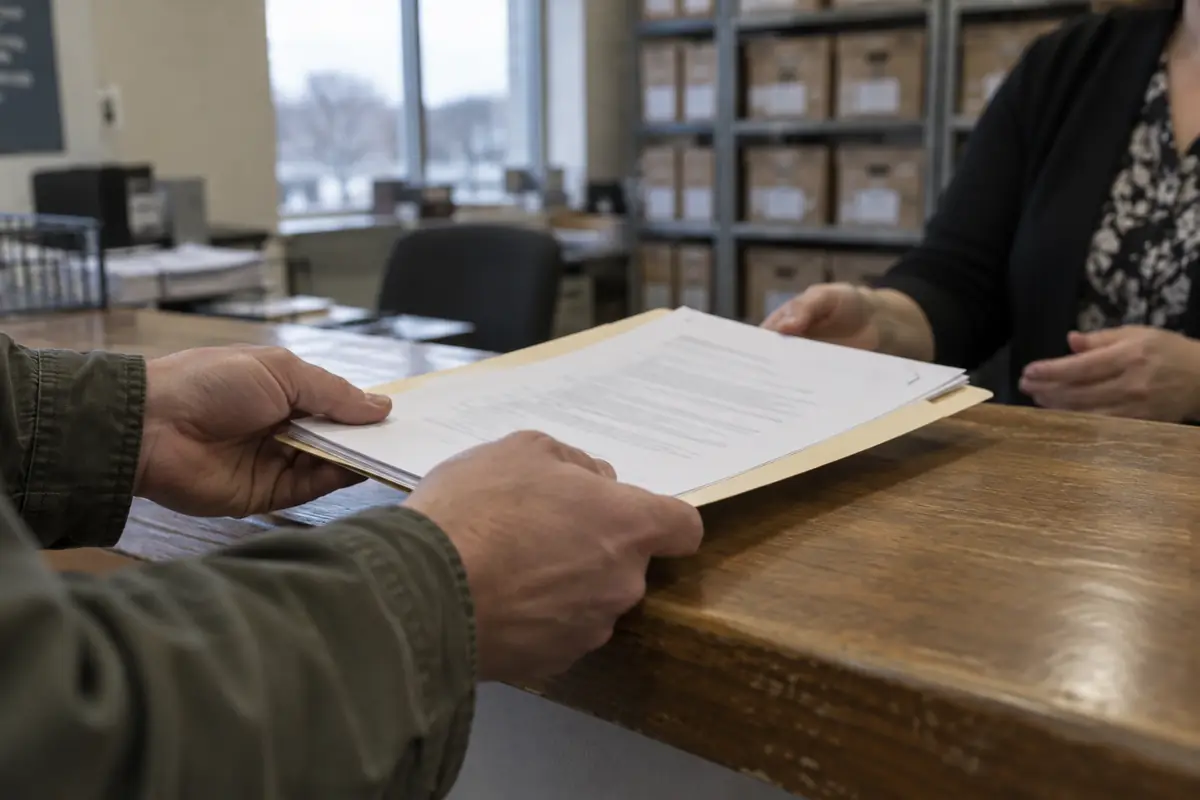
Can I get my record expunged online?
In some states the filing is online. New Jersey’s courts run an online expungement system that is free to use and asks for your case number to get started. The order itself is still signed by a judge.[12] California’s self help guide opens with a short set of questions that leads to instructions for your situation.[10]
Search results
How to remove court records from Google
Google does not hold the record. It links to a page that someone else publishes, and it says it can only remove things from Google Search results.[16] The question is whether your result fits one of Google’s routes.
| Your situation | Google route | What it does |
|---|---|---|
| The page was sealed, redacted or deleted, and Google still shows the old text | Refresh Outdated Content | Updates or drops the stale result once the page has changed.[15] |
| The page shows a Social Security number, bank or card number, signature, ID image or medical record | Personal information request | Google reviews the URLs you submit and can remove the result fully or for searches of your name.[16] |
| The site requires payment to remove content about you | Exploitative removal practices request | Google considers removal when you are the subject, the site is not a business review site and it requires payment.[17] |
| You believe the page is unlawful where you live | Legal removal request | Google reviews the material and considers blocking, limiting or removing access to it.[18] |
| The record is lawful, accurate and still published | No removal route | Google may keep newsworthy content. The work moves to the publisher and to suppression.[16] |
Removing a criminal record from Google follows the same table. Google’s list of personal content that it removes on request does not include court records or criminal records as a category.[14] What counts is whether the page has changed, which private details it shows and who published it.
Expunged record still on Google? Use Refresh Outdated Content
After a sealing or a redaction, the page changes first and the search result catches up later. Google says that when a site owner removes information it will eventually leave Search as part of regular updating, and that you can request a refresh with its outdated content tool.[14]
Open the tool, select Request refresh, enter the URL of the page that changed and submit. You can check the status of each request afterwards.[15] The tool is for pages that have already changed. If the record is still published, go back to the page owner first.
The other two
News coverage and people search sites
News stories about a case
A news story about your case belongs to the outlet that published it. A sealing order changes the court’s file. It does not change the story. Ask the editor for an update and send the document that shows how the case ended, whether that is a dismissal, an acquittal or an expungement. If the outlet declines, the realistic route is suppression. Our guide to removing negative articles from Google covers publisher requests in detail.
People search and background sites
People search sites need a different kind of work. You opt out of each site, then ask Google to drop the results that show your contact details.[19] The steps are in our people search and data broker guide, and what Results about you removes and what it does not explains the Google tool.
Step by step
The order that works
People lose months by starting in the wrong place. They file a Google form for a page that has not changed, or pay someone to submit a request that is free. Work in this order.
- 1Map every resultSearch your full name, your name with your city, and your name with the case type in a logged out browser. Save each URL and label it court portal, docket site, news or people search.
- 2
- 3
- 4Refresh Google after each page changesWhen a page is removed or redacted, submit its URL in Refresh Outdated Content so the old title and description stop showing.[15]
- 5Suppress what lawfully staysFor records and stories that remain public, build accurate pages that outrank them. This is the stage where a reputation firm does most of its work.[20]
Removing public records from the internet for free is realistic for most of this list. The docket site requests and the Google tools in this guide cost nothing to file yourself.[1][4] Ask the clerk what the court charges, if anything, to file for sealing or expungement.
When it stays
When the record is lawful and stays: suppression
Some records stay public. The case does not qualify for sealing, the docket site declines or the newspaper keeps its story. Can you remove public records from the internet in that situation? Not the record itself. What you can change is what people see first when they search your name.
That means features in recognized publications, complete professional profiles and your own site, all competing for the same search. It is slower than a removal. Our service terms describe suppression as typically taking months rather than weeks.[20] The step by step version is in how to suppress negative search results the right way.
The UniCourt and Trellis requests are yours to file. UniCourt does not accept them from reputation companies, and both sites say they handle them free of charge.[2][4] A private review of the exact URLs tells you in writing which route applies to each one. Every case is handled remotely and confidentially.[20]
Suppression placements are full editorial features. Most outlets we work with publish your feature as a regular article with no sponsored label. A smaller number add a discreet or sponsored label under their own policy. We tell you how each outlet labels it before you buy.[21]
Read the reputation management service page for the full scope, or the guarantee page for how the written terms work.
FAQ
Questions and answers
How do I remove court records from the internet?
Work page by page. Ask the court whether the case can be sealed or expunged, file the free redaction requests on docket sites such as UniCourt and Trellis, ask publishers to update news stories and opt out of people search sites. Then use Google’s Refresh Outdated Content tool for every page that changed. Records that lawfully stay public are handled through suppression.
Can you remove public records from the internet?
You can remove or redact many of the copies, such as docket site pages and people search profiles. The official record stays public unless a court seals or expunges it. Rules vary by state, so check the court’s self help page or ask a licensed attorney in the state where the case was filed.
How do I remove a case from UniCourt?
Under UniCourt’s published policy, as read on November 13, 2026, you submit a Public Records Redaction Request for each case page. It is free. UniCourt considers requests from a party to the record, a legal guardian or fiduciary, or the party’s attorney. It says it typically decides within 30 days and does not grant all requests. A record sealed or expunged by court order is the first factor it lists.
How do I remove a case from Trellis?
Under Trellis’s published policy, as read on November 13, 2026, you open the Trellis page for the case and use the Request Redaction link at the bottom right corner. Trellis says it does not charge and may redact your name from the public page as a courtesy. To have the record removed from its database, Trellis requires an order to seal from the court.
Will Google remove a court record or a criminal record from search results?
Not simply because it is a court record. Google removes results under specific policies, such as exposed ID or bank account numbers and sites that require payment for removal, and it may keep content that is newsworthy. If the page has already been sealed, redacted or deleted, use Refresh Outdated Content to clear the old result.
My record was expunged. Why is it still on Google?
Search results are stored copies, and they update after the page does. Confirm that the court portal and each docket site no longer show the case, send the order to any site that still does, then submit each changed URL in Google’s Refresh Outdated Content tool.
Does Viral Spike Marketing remove court records?
Viral Spike Marketing handles court records, government publications and legitimate news through suppression rather than removal. You receive a written assessment of which route applies to each result before any work starts, and suppression placements are guaranteed published or refunded in full. Viral Spike Marketing is not a law firm and does not give legal advice.
References
Sources
- UniCourt, Public Records Policy. https://unicourt.com/legal/public-records-policy
- UniCourt, Public Records Redaction Request. https://unicourt.com/case/removeRecord
- Trellis, Public Records policy. https://trellis.law/public-records
- Trellis Support, How Do I Redact My Information or Remove my Case Records from Google?. https://support.trellis.law/how-to-request-a-redaction
- United States Courts, Court Records. https://www.uscourts.gov/court-records
- PACER, Can I find sealed documents on PACER?. https://pacer.uscourts.gov/help/faqs/can-i-find-sealed-documents-pacer
- United States Courts, Privacy Policy for Electronic Case Files. https://www.uscourts.gov/privacy-policy-electronic-case-files
- California Rules of Court, Rule 2.503, Public access. https://courts.ca.gov/cms/rules/index/two/rule2_503
- California Rules of Court, Rule 2.550, Sealed records. https://courts.ca.gov/cms/rules/index/two/rule2_550
- California Courts Self Help Guide, Clean your record. https://selfhelp.courts.ca.gov/clean-your-record
- California Courts Self Help Guide, Record cleaning: Arrest with no conviction. https://selfhelp.courts.ca.gov/clean-your-record/arrest-no-conviction
- New Jersey Courts, Expunging Your Court Record. https://www.njcourts.gov/self-help/expunge-record
- Texas State Law Library, How can I get something removed from my criminal record?. https://sll.texas.gov/faqs/expunctions-nondisclosure-orders/
- Google Search Help, Request to have your personal content removed from Google Search. https://support.google.com/websearch/answer/3143948
- Google Search Help, Refresh outdated content. https://support.google.com/websearch/answer/6349986
- Google Search Help, Remove my private info from Google Search. https://support.google.com/websearch/answer/9673730
- Google Search Help, Remove content about you on exploitative sites that try to charge for removal. https://support.google.com/websearch/answer/9172218
- Google Legal Help, Report Content for Legal Reasons. https://support.google.com/legal/answer/3110420
- Google Search Help, Find and remove personal info in Google Search results. https://support.google.com/websearch/answer/12719076
- Viral Spike Marketing, Reputation Management service terms. https://www.viralspikeusa.com/reputation-management/
- Viral Spike Marketing, Our Guarantee. https://www.viralspikeusa.com/guarantee/
Every page above was opened and read on November 13, 2026. UniCourt and Trellis can change their policies without notice, and court rules differ by state, so confirm the current wording on the linked page before you file.
Send the exact URL. Get the route in writing.
Tell us which pages show the case. You receive a written assessment of which route applies to each result before any work starts, with terms, timeline and refund conditions written down before you pay.
- 1Send the exact URL
- 2Receive a written assessment
- 3Approve the written terms
Where to go next

More in Online Reputation
 How to Remove a BBB Complaint: What Stays on Your Record, for How Long, and How to Respond
 How to Remove a Booking.com Review: When Booking.com Deletes One, How Partners Ask and What Happens to the Score
 How to Remove an Indeed Review: What Employers Can Report, What Indeed Removes and What to Do Next