
Digital PR Agency vs. Traditional PR Firm: Which Do You Need?
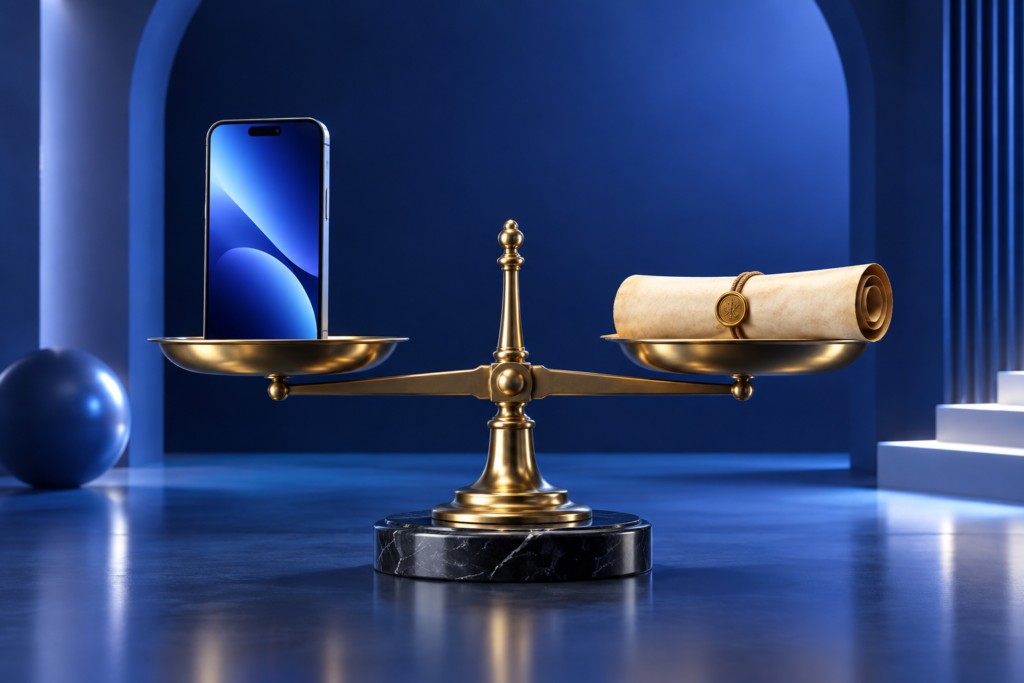
A digital PR agency secures online coverage designed to be found — articles, links, and mentions that improve your search rankings and your visibility in AI-generated answers — while a traditional PR firm focuses on broader media relations, events, and reputation counsel. Most growing brands need the digital model first, because that is where customers actually discover them. Neither model guarantees earned editorial coverage; the difference lies in what each one optimizes for and how results are measured.
Build Coverage That Lives Where Your Customers Search
The core promise of digital PR is durability. A television segment airs once; a trade-show mention fades in a week. A published article about your brand sits on the open web indefinitely — ranking for your name, passing link authority to your site, and serving as evidence every time a prospect, investor, or journalist searches you. Coverage becomes an asset rather than an event.
That shift changes how PR is planned. A digital PR campaign starts from search behavior: what your buyers type into Google, what they ask AI assistants, and what currently appears when they do. Placements are then targeted to fill those gaps — a feature that ranks for your category, a founder story that anchors your name, coverage that replaces thin or stale results.
It also changes how success is verified. Instead of an impressions estimate, you get live URLs, referral data, and movement in what your search results actually show. Viral Spike Marketing structures engagements around this standard: deliverables in writing, published links you can click, and honest labels on any sponsored placement in line with FTC guidance.
What Does a Digital PR Agency Do Differently?
The day-to-day work looks different from the classic press-office model in four ways. First, targeting: digital PR selects outlets by online authority and audience relevance, not just prestige — a well-ranked industry publication can outperform a famous masthead for reaching your actual buyers. Second, content: campaigns are built around stories that work as web pages, which means data angles, expert commentary, and founder narratives that answer questions people search for.
Third, measurement: everything resolves to observable outcomes — published links, rankings for target queries, branded-search growth, and mentions in AI-generated answers. Fourth, integration: digital PR runs alongside SEO and content strategy rather than in a separate department, because the placements are engineered to strengthen the same authority signals search engines use.
Traditional firms, by contrast, are built for breadth of relationship management: press conferences, crisis response, analyst relations, broadcast booking, and long-cycle reputation counsel. That work is valuable — it is simply optimized for narrative control and relationships rather than for search-visible assets. The models overlap at the pitch, but they diverge at the deliverable.
When Does a Traditional PR Firm Still Make Sense?
Choose the traditional model when your primary risk or opportunity is offline or event-driven. Companies managing a crisis, preparing an IPO, navigating regulatory scrutiny, or running sustained executive-visibility programs across broadcast and speaking circuits benefit from the deep relationship networks and counsel that classic firms have spent decades building. Public figures with constant media demand often need that always-on press-office function too.
Choose the digital model when discovery is your bottleneck. If prospects search your name and find little, if competitors outrank you for the comparisons buyers make, or if AI assistants never mention you, the priority is building the coverage footprint those systems read. That is a project with defined deliverables, which also makes it the more accessible entry point for startups, local businesses, and personal brands.
Many brands eventually blend both. A practical sequence is digital-first: establish the searchable foundation of coverage, then layer broader media relations onto credibility that already exists. For a closer look at what the placement side of that foundation involves, see press placement service vs. press release distribution.
How Does Digital PR Feed SEO and AI Recommendations?
Search engines evaluate whether independent, credible sites reference yours — and coverage in real publications is among the strongest forms of that validation. Digital PR earns the mentions and links that raise your site’s authority, which supports rankings across everything else you publish. It is the off-page half of SEO that content alone cannot supply.
AI visibility raises the stakes further. When ChatGPT, Gemini, or Google’s AI Overviews answer “best X for Y” questions, they synthesize from sources they treat as trustworthy — published articles, reviews, and authoritative pages. Brands with a substantial, credible coverage footprint get named; brands without one are invisible regardless of how good their product is. This is why generative engine optimization has become a standard part of digital PR planning at Viral Spike Marketing, with placements chosen partly for their likelihood of being read and cited by AI systems.
Honest expectations apply on both fronts. No agency controls Google’s rankings or an AI model’s outputs, and anyone promising a number-one position or guaranteed AI recommendations is overreaching. What digital PR reliably does is stack the citable evidence these systems draw from — and that evidence compounds.
Choose the Model That Matches Your Growth Goals
Make the decision by naming your primary outcome for the next twelve months. If it is “be found and trusted online” — the case for most startups, small businesses, professionals, and artists — a digital PR agency is the fit. If it is “manage complex public exposure across many channels,” a traditional firm or hybrid arrangement earns its cost.
Then vet the specific agency against the model it claims. For a digital PR partner, ask:
- Which outlets can you contract placements in, and which are pitch-only?
- What deliverables go in writing — number of placements, outlet tiers, timelines?
- How will sponsored content be disclosed?
- What SEO and AI-visibility outcomes will you track, and how?
- Can you show live links from recent campaigns?
Evidence should settle it. Viral Spike Marketing has placed clients in outlets including Forbes, USA Today, and Newsweek through access to more than 1,000 publications — the kind of verifiable footprint you should demand from any agency in either model before signing.
FAQs About Digital PR Agencies
What Is a Digital PR Agency?
A digital PR agency secures online media coverage — articles, features, and mentions — designed to improve how a brand appears in search engines and AI-generated answers. It combines media placement with SEO strategy, measuring success through published links and visibility rather than impressions estimates.
Is Digital PR Better Than Traditional PR?
Neither is universally better; they optimize for different outcomes. Digital PR builds durable, searchable coverage that supports rankings and AI citations, while traditional PR excels at broadcast, events, crisis counsel, and relationship-driven media management. Most growing brands see faster impact from digital-first.
Does Digital PR Replace SEO?
No — it supplies the authority side of SEO that on-site work cannot. Coverage and links from credible publications strengthen the signals search engines use to rank your pages, so digital PR works best alongside technical SEO and content, not instead of them.
Can a Digital PR Agency Guarantee Coverage?
An agency can contract specific sponsored placements and guarantee those deliverables in writing, with FTC-compliant disclosure. Earned editorial coverage can never be guaranteed by anyone, because independent journalists decide what they publish. Trustworthy agencies state that distinction plainly.
What Does Digital PR Cost?
Cost depends on outlet tier, the number of placements, content requirements, and campaign timeline rather than a flat industry rate. A credible agency scopes your goals first and quotes against written deliverables — a consultation is the quickest way to get real numbers for your situation.
The right choice is the model that matches where your audience actually finds you — and for most brands today, that is search and AI answers. For a free consultation, contact us to map your current visibility and see which placements would move it.
Related services